Bonding or Veneers: Choosing the Right Refinement for Your Smile
· Eclat Dental Studio
Bonding and porcelain veneers can both reshape and brighten teeth, yet they suit different situations. Here is how to decide which one fits your smile.
Both dental bonding and porcelain veneers can reshape, brighten and balance a smile, but they are not interchangeable. Bonding is a composite-resin treatment completed in one visit that keeps your enamel intact and usually lasts five to ten years. Porcelain veneers are laboratory-crafted shells that can last 10 to 15 years or longer, but they involve permanently reducing some enamel. The less costly option is not the lesser one: in the right situation, bonding is the more conservative, quicker and more easily repaired choice.
What bonding involves
Bonding uses a tooth-coloured composite resin that is sculpted directly onto the tooth and hardened with a curing light. We match the resin to your natural shade, lightly etch the surface, build up the material in layers, shape it by hand and polish it. A typical appointment takes 30 to 60 minutes per tooth, all in one visit, and frequently without any anaesthetic.
Its greatest clinical strength is how little it asks of the tooth. Usually we remove little or no enamel, just enough texture to help the resin adhere. Enamel does not regenerate, so this is significant. Bonding keeps more of the original tooth and is largely reversible, which makes it a good option for younger patients and for anyone who would like to try a change before committing to porcelain.
Bonding is well suited to:
- Chipped corners and minor fractures
- Small spaces between the front teeth
- Worn or flattened edges
- Single discoloured areas that whitening cannot reach
- Subtle reshaping, such as softening a sharp canine or lengthening a short lateral incisor
Where veneers go further
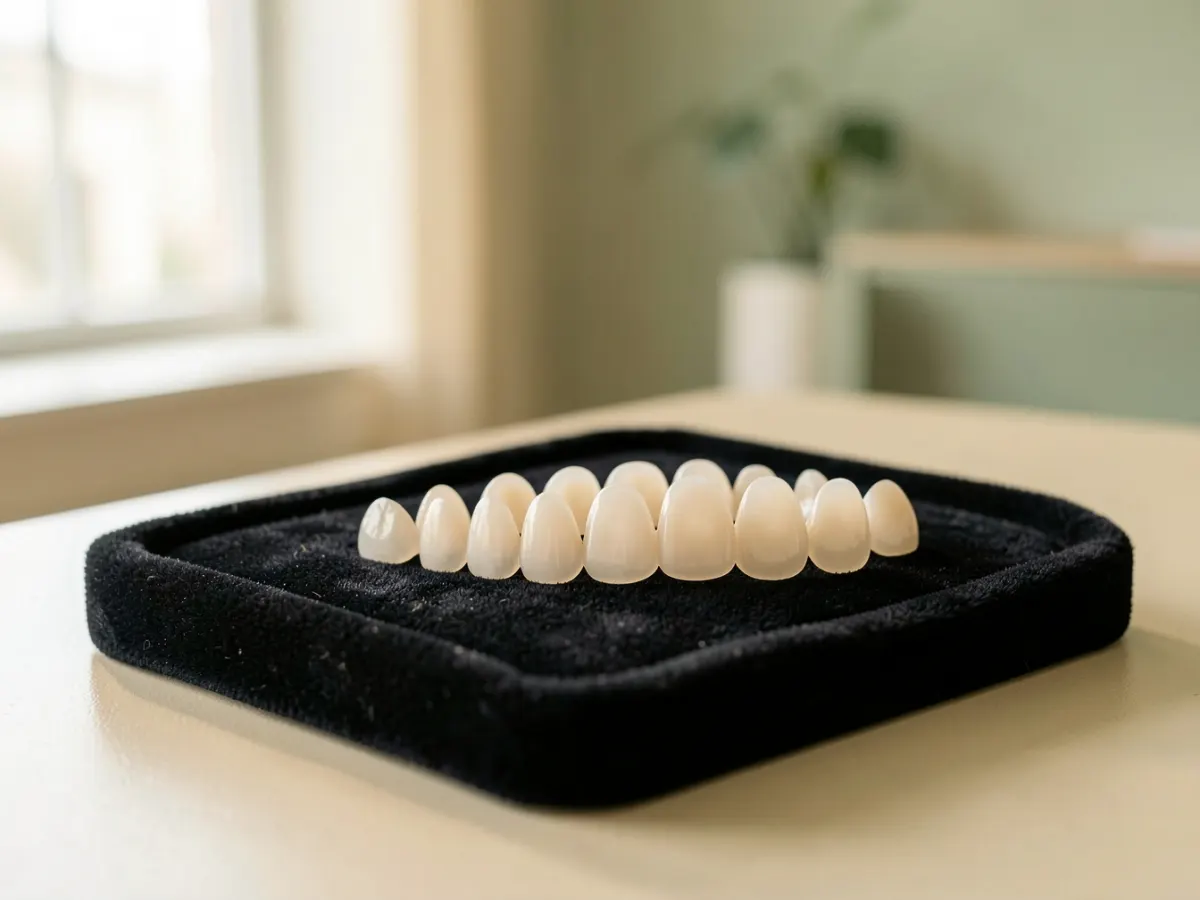
Porcelain veneers are thin, custom shells made in a dental laboratory and permanently bonded to the front of the tooth. Conventional preparation removes about half a millimetre of enamel, around the thickness of a fingernail, to make room for the shell and create a strong, lasting bond. That step cannot be undone: once enamel has been reduced, the tooth will always need some form of restoration.
What you gain in return:
- A considerably longer lifespan, usually ten years or more with good care
- Better resistance to staining, as porcelain does not take up the pigments in coffee, tea or red wine the way composite can
- Greater translucency and light transmission, which often looks more natural both in person and in photographs
- Reliable control of colour and shape across several teeth at once, which is why veneers are the usual choice for a full smile redesign
Veneers tend to be the right answer when several neighbouring teeth are involved, when discoloration runs deeper than whitening can address, when mild crowding needs to be disguised without orthodontics, or when worn front teeth need substantial rebuilding. Our article on the veneer process explains each stage.
When veneers may not suit you
Veneers can be a poor fit for people who clench or grind, have a pronounced deep overbite or already have thin enamel. In those situations, we may suggest a night guard, a bite adjustment or a different restoration first. Decay can still develop beneath or at the edges of both bonding and veneers, so the teeth and gums need to be healthy before either is planned.
Deciding between them, and why less expensive is not the same as inferior
Bonding and veneers address problems that overlap but are not identical. For a single chipped front tooth or a small gap at the centre, porcelain veneers are usually more treatment than is needed, and bonding is quicker, gentler and simple to refresh. For a smile redesign spanning six to ten teeth, where you want the result to look the same a decade from now, porcelain justifies its cost.
At a consultation, we would talk through questions such as these:
- How many teeth would you really like to change?
- Do you clench or grind at night?
- How much does stain resistance matter to you, for instance if you drink a lot of coffee, tea or red wine?
- How much natural enamel is there to work with?
- Would you like to keep the option of changing course later?
The fee depends on the complexity of the case, the materials, the number of teeth and the laboratory work involved. We always provide a written estimate after your examination, so you can decide with full information.
Questions about bonding and veneers
Will bonding damage my teeth?
It should not. Cosmetic bonding needs little or no enamel removal, which is what keeps it largely reversible. The resin is built onto the tooth rather than cut into it.
How long will bonding last?
With good daily hygiene, and by avoiding chewing ice, biting nails and heavy staining, bonding usually lasts around five to ten years before it needs polishing, repair or replacement.
Can porcelain veneers look unnatural?
Thoughtfully designed veneers should not. Shape, length and shade are planned to suit your face and bite, which is why a smile preview or wax-up belongs in any careful veneer consultation. Our smile design page describes how we approach this.
Can I begin with bonding and move to veneers later?
Yes, and that flexibility is one reason many people start with bonding. Because it preserves enamel, porcelain remains an option five or ten years later if your priorities change.
Does insurance pay for bonding or veneers?
PPO plans generally do not cover purely cosmetic bonding or veneers. When there is a functional reason, such as repairing a fracture, a plan may contribute. We are in-network with all major PPO dental plans and can check your specific benefits.
If you are deciding between bonding and veneers, the most helpful next step is a consultation, where we look at your teeth, your bite and the result you have in mind, then take you through a written plan and estimate. Explore our cosmetic dentistry page or call Eclat Dental Studio in Mountain View at (650) 917-8348.