Bleeding Gums and Deep Cleanings for HPSM Members in North Fair Oaks
· Eclat Dental Studio
Bleeding gums can signal gingivitis or gum disease. Learn how a deep cleaning differs from a regular cleaning and how HPSM members in North Fair Oaks can ask about gum care.
Gums that bleed when you brush or floss are often the first sign of gum inflammation, and they are worth having checked. A regular cleaning is preventive care for healthy gums or mild gingivitis. A deep cleaning (scaling and root planing) treats gum disease that has moved below the gum line. If you have HPSM, some of this care may be covered, but confirm your benefits before you book.
This article is general education, not a diagnosis or individual medical advice. Only a dentist can evaluate your gums and recommend treatment.
What are the signs of gum disease?
Gum disease usually starts quietly. Many people first notice a little pink in the sink when brushing or flossing. Common signs include:
- Red, swollen, or tender gums
- Gums that bleed easily when brushing or flossing
- Persistent bad breath or a bad taste
- Gums that pull away from the teeth, making teeth look longer
- Loose or sensitive teeth, or pain when chewing
Gum disease is often painless, so waiting for pain is not a reliable plan. Risk factors include tobacco use (a major one), diabetes, older age, genetics, stress, hormonal changes, and some medications and health conditions.
Gingivitis versus periodontitis
Gingivitis is the early stage. It is caused by plaque buildup and is often reversible with a professional cleaning and steady brushing and flossing at home. Periodontitis is the advanced stage. Bone that supports the teeth begins to break down, which can eventually loosen teeth. Catching gingivitis early is an important way to help avoid reaching that point.
How is a deep cleaning different from a regular cleaning?
A routine cleaning removes plaque and tartar from the visible parts of your teeth and polishes away surface stains. It is typically done about twice a year as preventive care.
Scaling and root planing is a treatment for existing disease. It has two steps:
- Scaling removes plaque and tartar above and below the gum line.
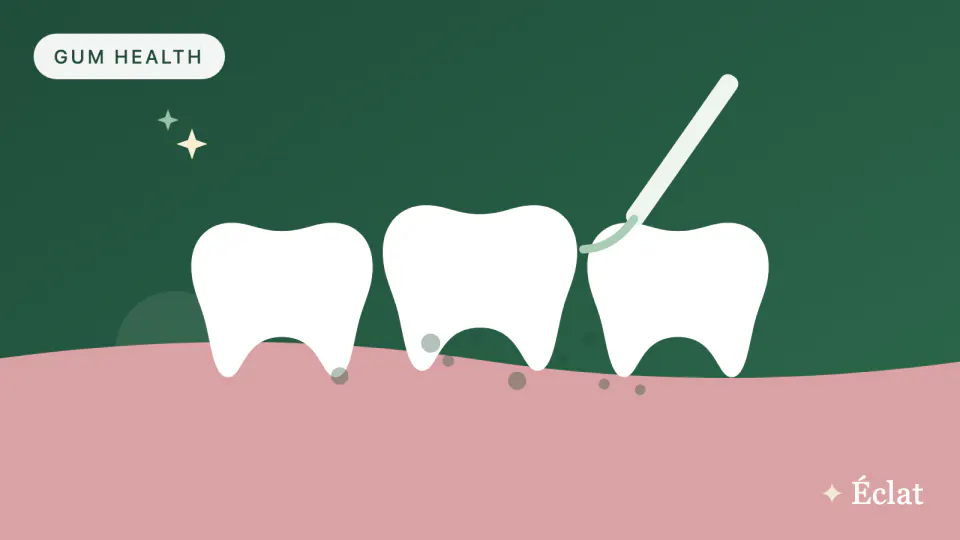
- Root planing smooths the tooth root surfaces, which makes it harder for bacteria to build up again and helps the gums reattach to the teeth.
Dentists usually recommend it after a periodontal evaluation. In that evaluation a small probe measures the pockets between teeth and gums, and X-rays check bone levels. Pockets of about 4 millimeters or deeper, especially with bleeding or bone loss, often lead to a deep cleaning recommendation. The visit can take one to two hours and is sometimes split into two appointments. Numbing is typically used for comfort.
What to expect afterward
Mild soreness, tooth sensitivity, or a little bleeding for a few days is common. A dentist may suggest salt water rinses, an antimicrobial rinse, or an over-the-counter pain reliever. A follow-up visit checks whether the gums are healing and the pockets are shrinking. Gum disease can come back, so ongoing home care and regular checkups matter.
How can HPSM members get gum treatment?
Health Plan of San Mateo (HPSM) is San Mateo County's Medi-Cal plan, so it applies to San Mateo County residents, including those in North Fair Oaks. Our office offers Medi-Cal dental care through HPSM as an HPSM-partnered provider, and members can often use their single HPSM member card at the visit.
Covered categories are generally preventive care (exams, cleanings, X-rays), restorative treatment such as fillings and other necessary procedures, and emergency care for pain or injury. Whether a deep cleaning or other advanced gum treatment may be covered, and how often, depends on your plan's rules and your clinical findings. Ask HPSM before you schedule.
- Call us first at (650) 917-8348 to confirm availability and that your HPSM dental benefit is active. We cannot promise a specific appointment.
- Check benefit details with the HPSM Dental Unit at 650-616-1522 or in your member materials. Medi-Cal dental rules can change, so it helps to confirm your current status.
- Bring your HPSM member card, a photo ID, and a list of your medications and health conditions, especially diabetes.
What is the visit like for patients coming from North Fair Oaks?
Patients from the Middlefield Road corridor, the Fair Oaks neighborhood, and the 5th Avenue area can reach our office with a short drive from North Fair Oaks, depending on traffic. If you prefer to talk with us in a language other than English, ask about language support when you call. Imaging is available when a dentist decides more detail is needed.
A first visit for bleeding gums usually includes a review of your health history, an exam, pocket measurements, and X-rays. A dentist will then explain whether a regular cleaning is enough for your situation or whether a deep cleaning makes sense, and what your HPSM benefit may cover.
Common questions about gum disease and deep cleanings
Q: Is bleeding when I floss normal?It is common, but it is not a sign of healthy gums. Bleeding usually means inflammation from plaque. Bleeding from plaque inflammation often improves with gentle, consistent flossing and a professional cleaning, but if it persists, have it checked.
Q: Does a deep cleaning hurt?Numbing is typically used, and many people report mainly pressure; comfort varies. Some soreness and sensitivity for a few days afterward is common.
Q: Can gum disease be cured?Gingivitis can often be reversed. Periodontitis is better described as controlled than cured. Deep cleaning, good home care, and regular checkups can help control the disease and reduce the risk of it progressing.
Q: Will HPSM cover my deep cleaning?It may be covered, but limits and requirements vary. Ask the HPSM Dental Unit at 650-616-1522, and our team can help you with the next steps.
If you live in North Fair Oaks or a nearby San Mateo County community and have bleeding gums, call our team at (650) 917-8348 or visit eclatdentalstudio.com to ask about a consultation. We will help you confirm your HPSM benefit first, so you know where you stand before you come in.