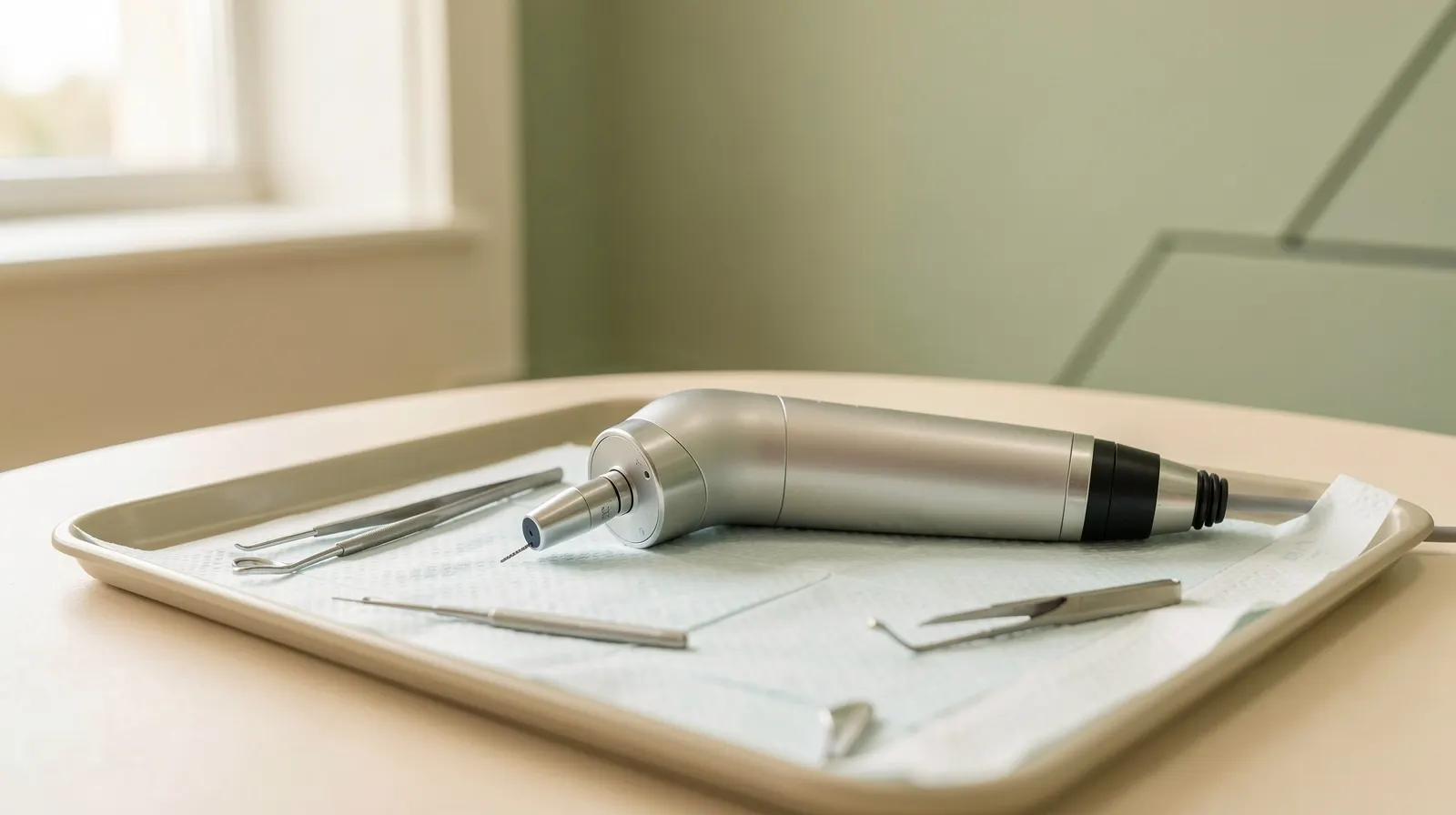
LANAP Laser Gum Therapy: A Calm Guide to the Process
· Eclat Dental Studio
LANAP is an FDA-cleared laser approach to moderate and advanced gum disease. Here is how we prepare, what happens in the chair and how recovery tends to go.
For gum disease in the moderate to advanced range, LANAP offers an FDA-cleared laser option. Instead of a scalpel, it uses a fine fiber-optic tip to clear infected tissue and bacteria from below the gumline. Most people find they have less swelling and bleeding than they anticipated, are back to their usual routine within a day or two, and follow a short period of soft foods while the gums seal and heal. It is done under local anaesthetic, and one side of the mouth is usually treated at each visit.
How LANAP compares with conventional gum surgery
Traditional periodontal flap surgery deals with deep pockets by lifting the gum away from the tooth, cleaning the exposed root, and then suturing the tissue back. LANAP, which stands for Laser-Assisted New Attachment Procedure, works differently. A pulsed dental laser, set to a wavelength that is drawn to pigmented diseased tissue and bacteria, is guided into the space between tooth and gum. It removes inflamed tissue while leaving healthy gum intact, and a second pass forms a stable fibrin seal at the top of the pocket, with no stitches needed.
Since the gum is never peeled back from the bone, there is usually much less recession once healing is complete, which matters to anyone concerned about the appearance of their smile. Published clinical research has reported that most treated pockets returned to healthy depths within a year, with average recession of about a tenth of a millimetre.
Preparing for treatment
Planning starts long before the laser is used. At our Mountain View studio, the first step is a periodontal evaluation: we chart the pocket depth around every tooth, take digital X-rays to see the bone level, and talk through risk factors such as smoking, diabetes or a family history of gum disease. We then discuss whether LANAP suits your situation or whether scaling and root planing should be the first step.
A few practical points for the day itself:
- Have a normal meal beforehand, since softer foods will be the rule for several days afterward.
- Bring a complete list of your medications, particularly blood thinners and any supplements.
- Keep the evening free and restful while the numbness wears off.
- If you smoke, even a brief break before treatment helps the tissue heal.
In the chair
Once the local anaesthetic has taken effect, each side generally takes one to two hours. Most patients have half the mouth treated at one appointment and come back roughly a week later for the other half.
The sequence is consistent:
- A very fine laser fiber, about as thick as three strands of hair, is eased into the space between gum and tooth.
- The first pass of the laser removes the diseased lining of the pocket and disinfects the area.
- Ultrasonic instruments then clear tartar and biofilm from the root.
- A second laser pass creates a stable seal of blood and fibrin at the top of the pocket, acting as the body's own dressing.
- The gum is gently pressed against the clean root, and the bite is refined so the healing teeth are not knocked during chewing.
There are no incisions, no sutures and no surgical dressing. Many people say the visit felt easier than the deep cleanings they had before their diagnosis. If nerves are a concern, nitrous oxide or oral anxiolysis can help you feel more settled.
Recovery, eating and the healing timeline
Mild soreness during the first 24 to 48 hours is normal, as is a little oozing overnight. For most people, over-the-counter ibuprofen is enough to manage discomfort. The guidance we give:
- Days 1 to 3: liquids and very soft foods, such as smoothies, brothy soups, yogurt, protein shakes and blended oatmeal.
- Days 4 to 7: soft foods that need little chewing, such as eggs, mashed potatoes, tender fish and well-cooked pasta.
- Stay away from hot, crunchy, spicy or seeded foods that could disturb the seal.
- Hold off on firm brushing or flossing in the treated area at first, and use the rinse we provide.
- Avoid any probing of the gums, including by a hygienist at another office, for 6 to 12 months while the new attachment develops.
We usually see you again at one week, at one month, and then every three months through the first year to follow healing and reinforce good habits at home.
Questions about LANAP
Will I be asleep for the procedure?
No. LANAP is carried out with local anaesthetic, much like a filling. For patients who feel anxious, we offer nitrous oxide and oral anxiolysis; deeper sedation is available by referral.
When can I return to work?
Most people are back at a desk the following day. Plan a quiet evening after treatment while the numbness fades and the clot settles.
Does LANAP mean I can relax my home care?
Unfortunately not. Gum disease is driven by the bacteria that gather around the teeth every day, so brushing, flossing and regular maintenance visits remain essential for a lasting result.
Is LANAP covered by insurance?
Many PPO plans include benefits for medically necessary periodontal treatment, though coverage differs from plan to plan. We are in-network with all major PPO dental plans and provide a written estimate after your consultation.
Who might need a different approach?
People with very advanced bone loss, certain implant complications or particular medical conditions may be better served by another option. A thorough examination is the only reliable way to decide.
If your gums bleed when you brush, feel tender, or you have been told about deep pockets or bone loss, a periodontal consultation is a reasonable next step. You can read more on our LANAP page, or call Eclat Dental Studio at (650) 917-8348 to arrange an evaluation. Questions are always welcome, and we will take the time to answer each one.